
Understanding Miami's Building Regulations and Requirements


Introduction to Miami's Building Regulations
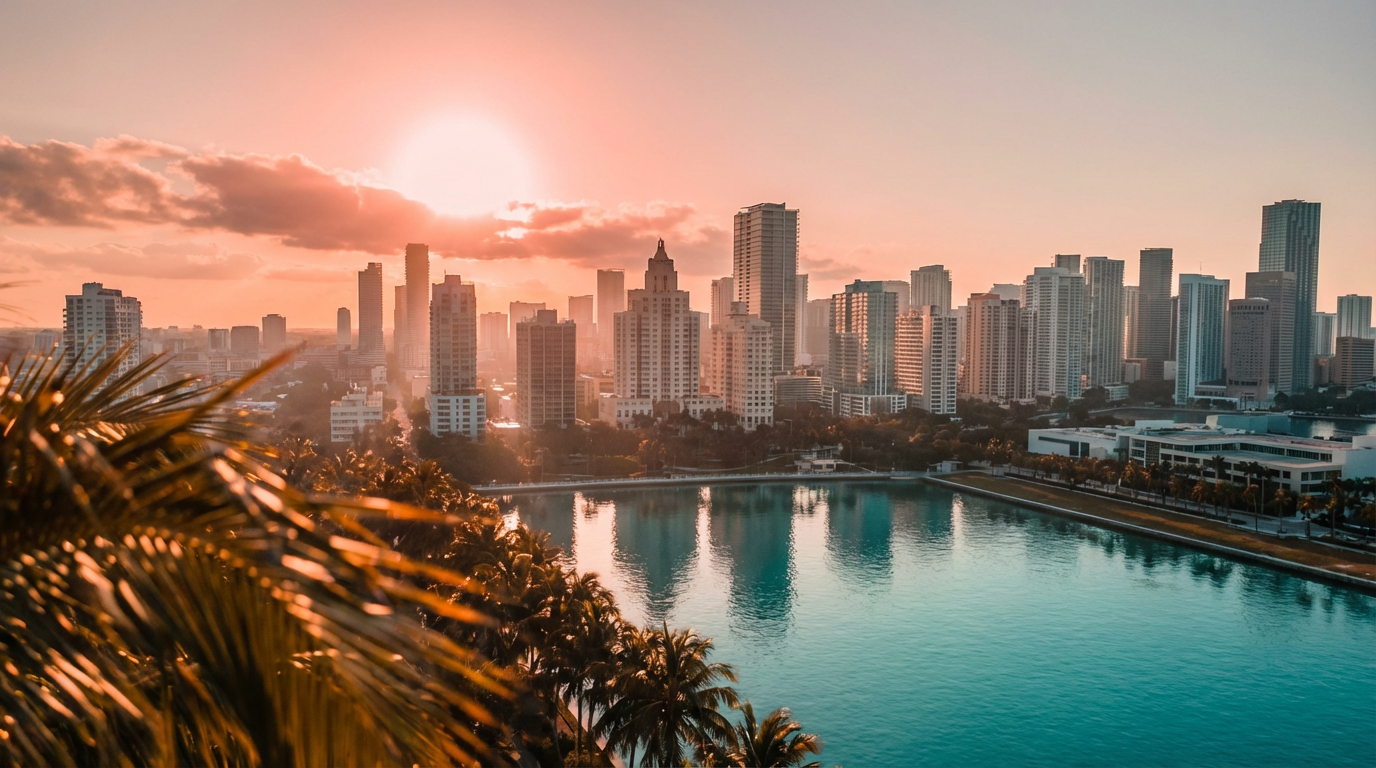
Miami, known for its stunning architecture and vibrant skyline, has a unique set of building regulations that must be understood by contractors, developers, and homeowners alike. These regulations are essential in maintaining safety and aesthetic standards while ensuring structures can withstand the region's specific environmental challenges.
Key Building Codes in Miami
The city's building codes are primarily governed by the Florida Building Code (FBC), which includes specific amendments for Miami-Dade County. These amendments address local concerns like high wind speeds and flood risks. It's crucial for anyone involved in construction to be well-versed with these specific codes to ensure compliance and safety.
Some important aspects of the FBC include:
- Wind Load Requirements: Miami is prone to hurricanes, so buildings must be designed to withstand high wind speeds.
- Flood Zone Regulations: Structures in designated flood zones must adhere to strict elevation and construction standards.
Permitting Process
Obtaining the necessary permits is a critical step in any construction project in Miami. The process can be intricate, requiring various approvals and documentation. Permits are needed for new constructions, major renovations, and even certain types of repairs.

Here are some key steps in the permitting process:
- Submission of detailed plans and documents to the local Building Department.
- Review by various departments, including zoning, environmental, and fire safety.
- Addressing any feedback or required changes from the review process.
- Final approval and issuance of the permit.
Role of Zoning Regulations
Zoning regulations play a significant role in shaping Miami's urban landscape. These rules determine how land can be used in different parts of the city, impacting everything from building height to the type of structures allowed.
Understanding zoning codes is crucial for developers to ensure their projects align with community standards and legal requirements. Violating zoning laws can lead to significant delays and financial penalties.

Impact of Environmental Concerns
Environmental considerations are increasingly influencing building regulations in Miami. With the growing threat of climate change, there is a strong emphasis on sustainable building practices. This includes the use of eco-friendly materials and energy-efficient designs.
Miami's building regulations encourage developers to incorporate green building standards, which not only benefit the environment but also result in long-term cost savings.
Conclusion
Understanding Miami's building regulations is essential for anyone involved in construction within the city. By adhering to these codes and requirements, builders can ensure safety, compliance, and success in their projects. As Miami continues to grow, staying informed about these regulations will be key to contributing positively to its dynamic urban landscape.