
Understanding Miami's Building Codes: What You Need to Know


When planning to build or renovate in Miami, understanding the local building codes is crucial. These regulations ensure safety, sustainability, and resilience against the unique challenges posed by the climate and geography of the area. Whether you're a homeowner, developer, or contractor, having a solid grasp of these codes can make the difference between a smooth project and one fraught with issues.
Miami's building codes are designed to ensure that structures can withstand the region's weather extremes, including hurricanes and heavy rainfall. These codes are regularly updated to incorporate new technologies and materials, aiming to enhance the safety and durability of buildings. It's essential to stay informed about the latest changes and how they might affect your project.
Understanding the Basics
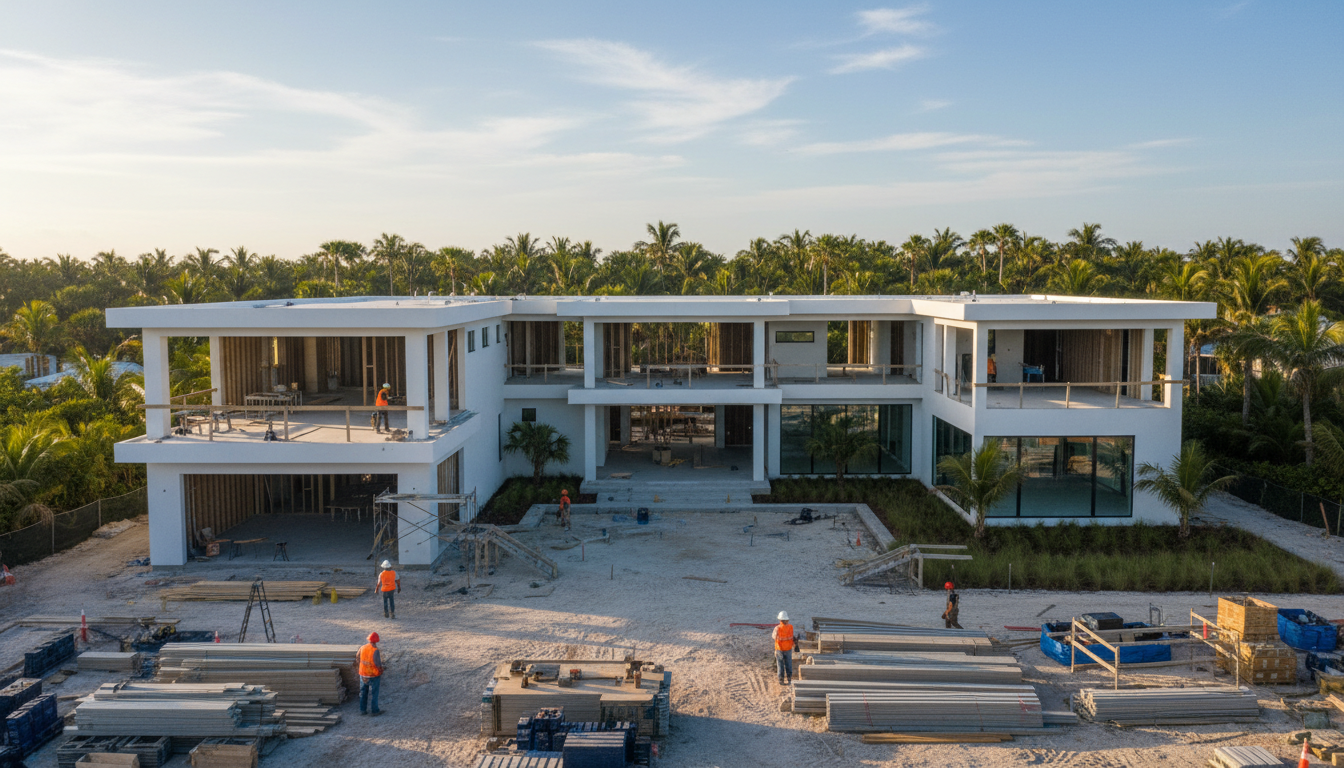
The building codes in Miami are primarily based on the Florida Building Code (FBC), which is a set of regulations that apply statewide. However, Miami-Dade County has additional requirements to address specific local conditions. These include more rigorous standards for wind resistance and flood protection, reflecting the area's vulnerability to hurricanes.
Wind Resistance
One of the most critical aspects of Miami's building codes is ensuring structures can withstand high winds. The region's vulnerability to hurricanes means that buildings must be constructed to endure extreme wind speeds. This includes specific requirements for roofing materials, window protection, and structural framing.
Flood Zone Considerations
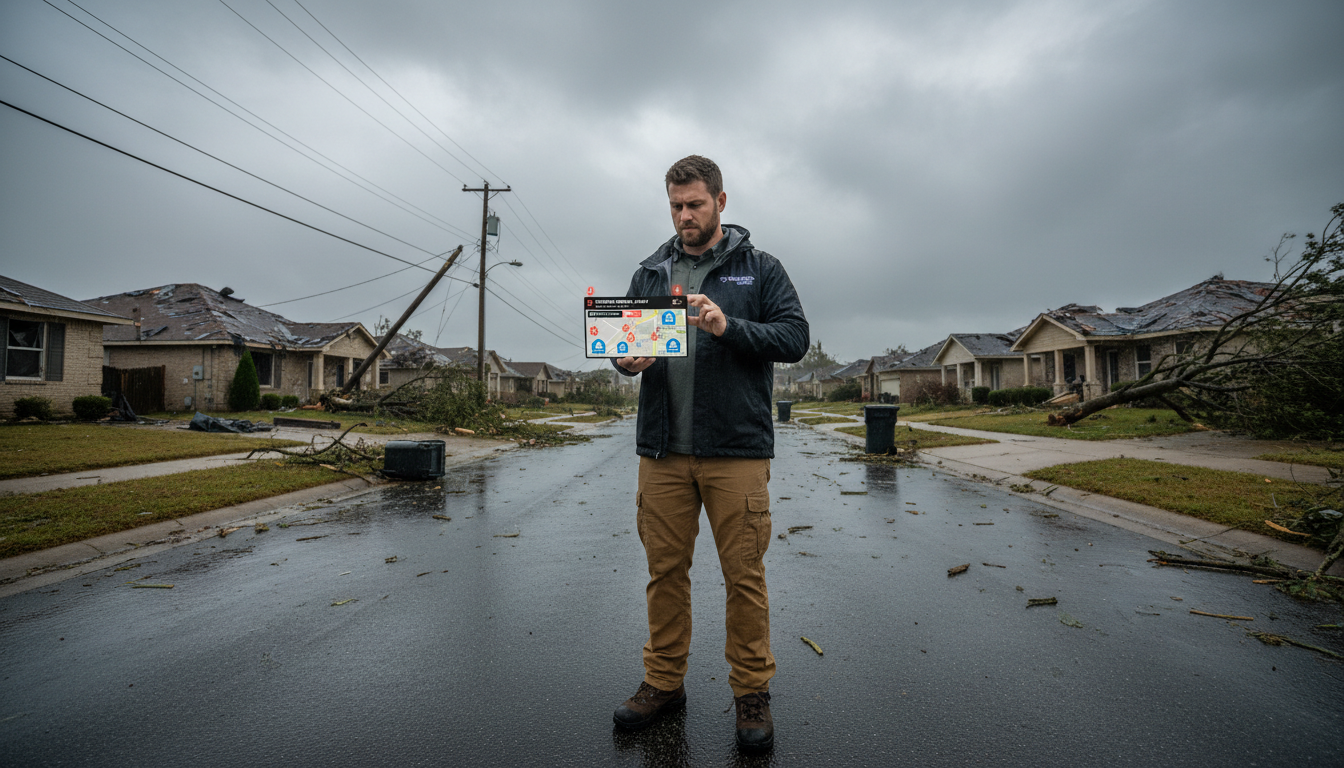
Another significant element is the attention to flood zones. Miami's low-lying topography makes it susceptible to flooding, necessitating stringent guidelines for construction in these areas. Builders must adhere to elevation requirements and use flood-resistant materials to minimize potential water damage.
Permitting and Inspections
Before any construction or renovation begins, obtaining the necessary permits is a crucial step. The permitting process ensures that all building plans comply with local codes and regulations. This process can be complex, requiring detailed documentation and sometimes multiple approvals.
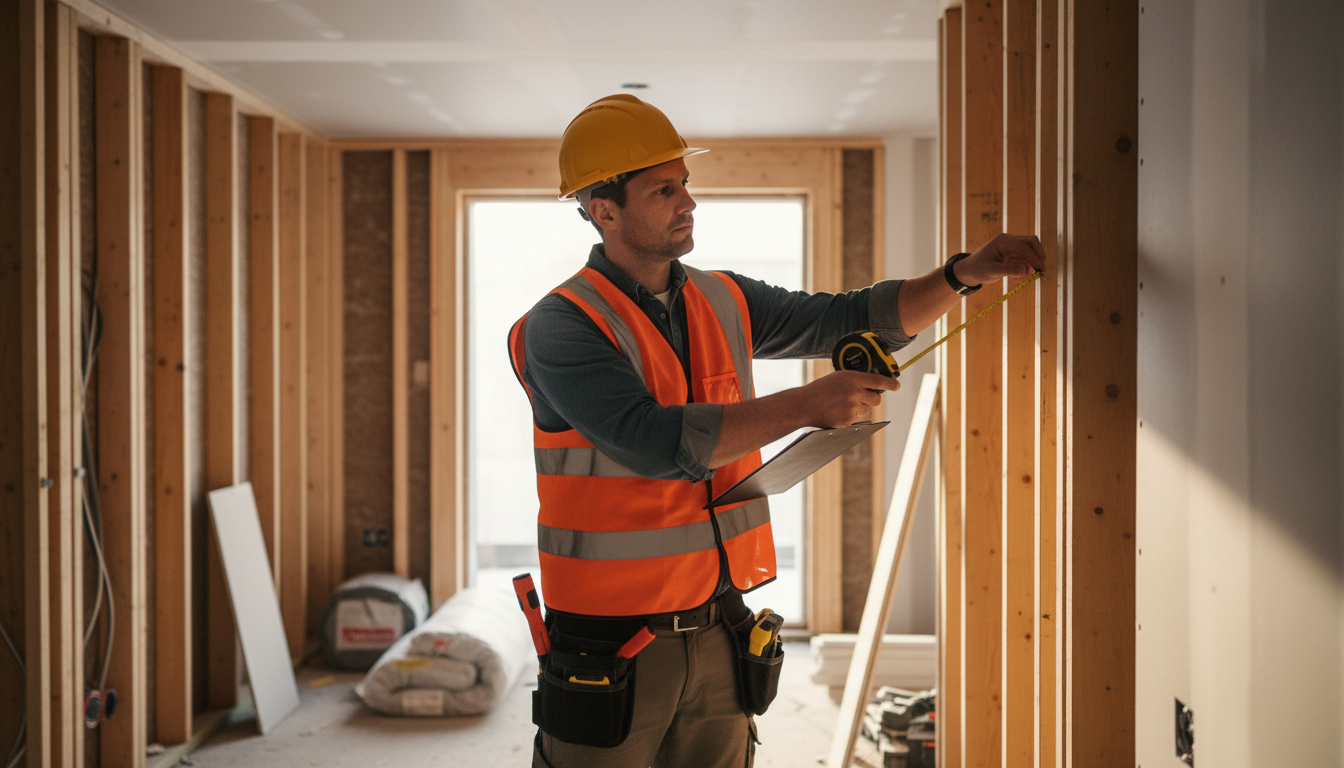
Inspections are another critical component of compliance. Throughout the construction process, various inspections are conducted to ensure that work conforms to the approved plans and meets all safety standards. These inspections cover everything from foundation work to final electrical installations.
Energy Efficiency and Sustainability
In recent years, there has been a growing emphasis on energy efficiency and sustainability in building practices. Miami's building codes reflect this trend, encouraging the use of energy-efficient materials and systems. This not only reduces environmental impact but can also lead to significant cost savings over time.
Staying Informed and Compliant
Given the complexity and evolving nature of Miami's building codes, staying informed is essential. Regularly consulting with local building officials and professional consultants can provide valuable insights and help ensure compliance. Additionally, attending workshops and training sessions can keep you updated on the latest developments.
Ultimately, understanding and adhering to Miami's building codes is vital for the success of any construction project. By prioritizing compliance and safety, you can contribute to a safer, more resilient community.