
Top Trends in Sustainable Building Practices in Florida


Introduction to Sustainable Building Practices in Florida
As environmental awareness continues to grow, the construction industry in Florida is rapidly adopting sustainable building practices. These practices not only reduce environmental impact but also offer long-term economic benefits. In this blog post, we'll explore the top trends shaping sustainable construction in the Sunshine State.
Green Building Materials
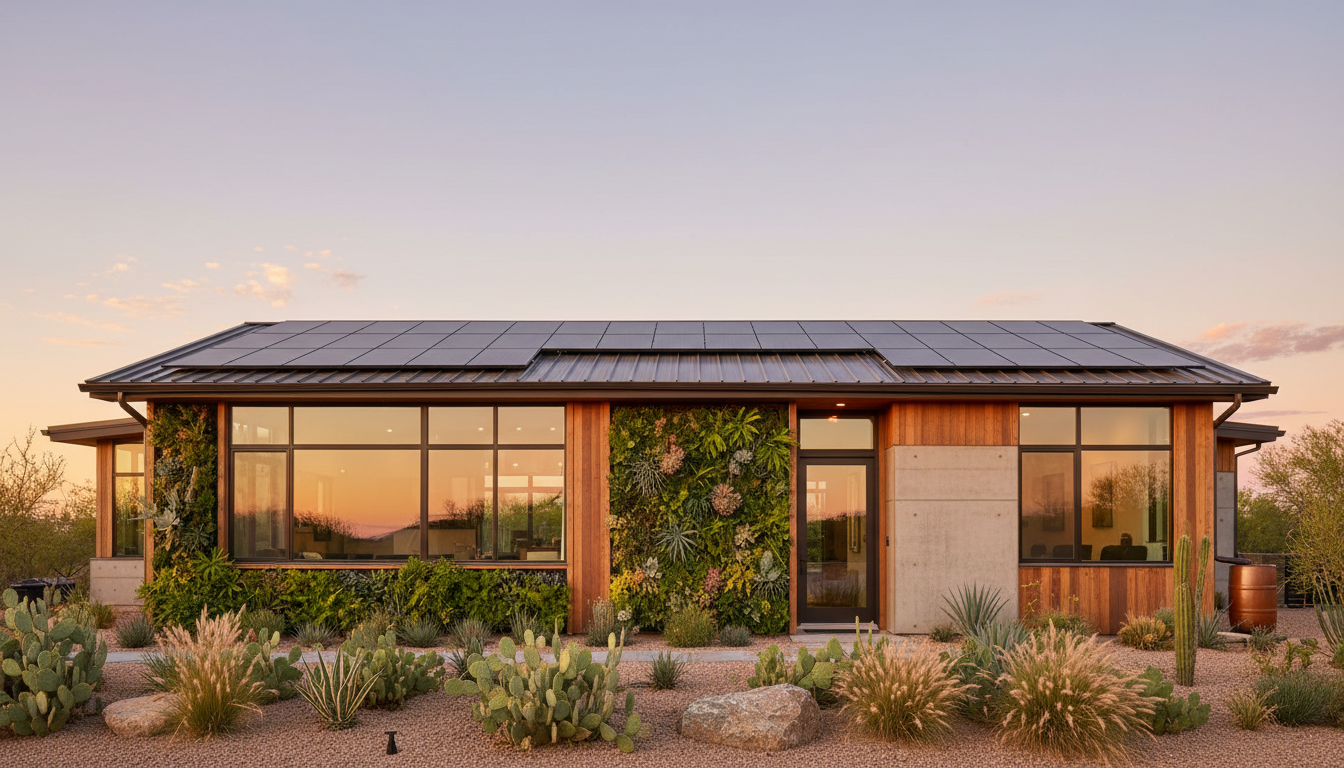
One of the most significant trends in sustainable building is the use of green materials. Builders are increasingly selecting materials that are recycled, reclaimed, or sustainably sourced. Popular choices include bamboo flooring, recycled steel, and reclaimed wood. These materials not only reduce waste but also enhance energy efficiency.
Benefits of Green Materials
Green materials often have a lower environmental footprint and can significantly reduce energy consumption. Additionally, they often contribute to improved indoor air quality, which is an essential factor in creating healthy living and working environments.
Energy Efficiency
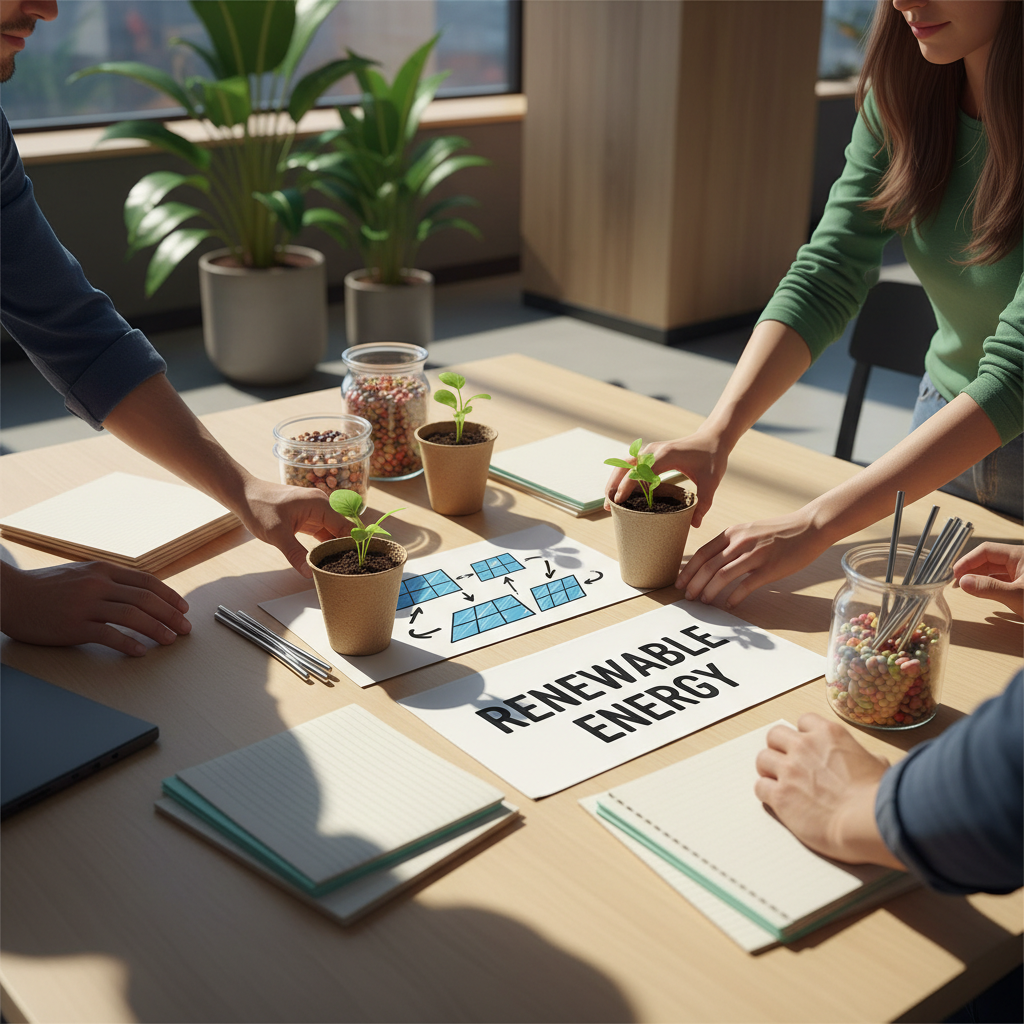
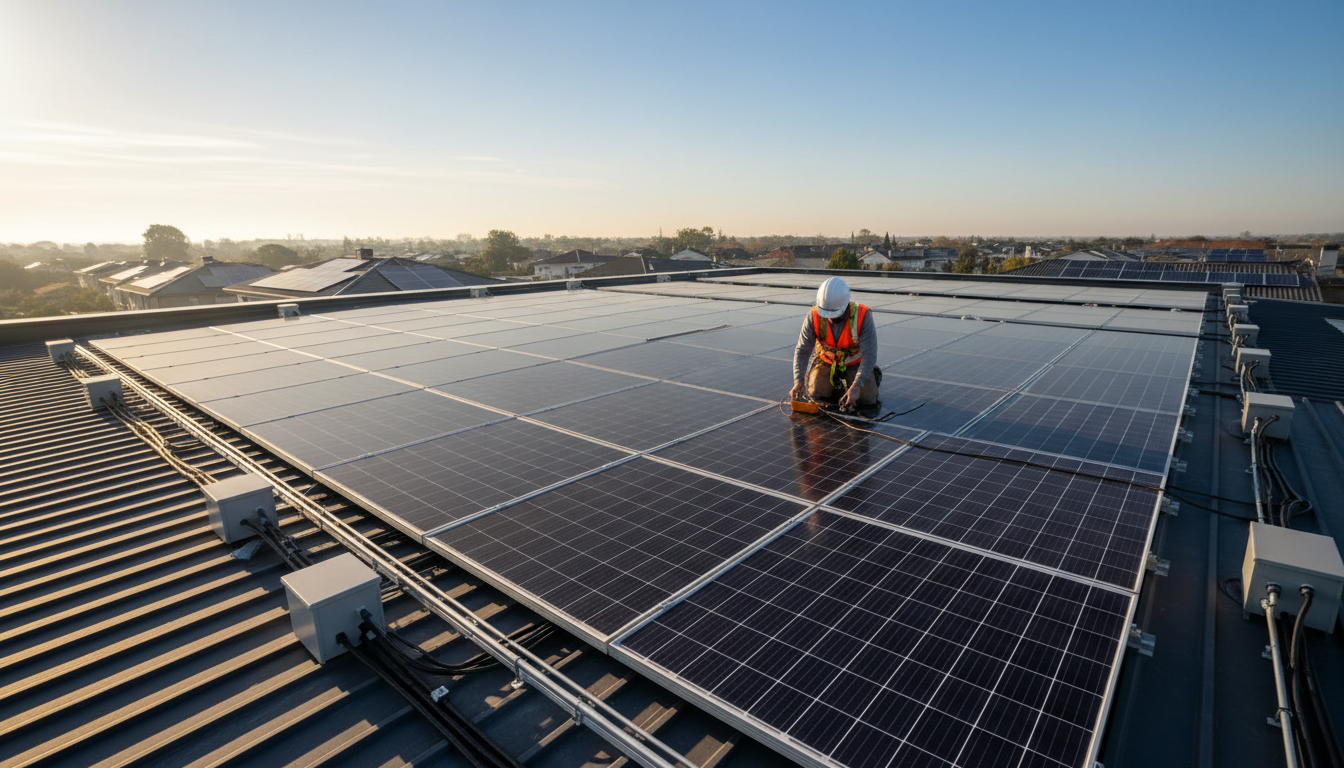
Energy efficiency remains a cornerstone of sustainable building practices. Florida's builders are incorporating advanced technologies such as solar panels, energy-efficient HVAC systems, and LED lighting to reduce energy consumption and utility costs.
Smart Home Integration
The integration of smart home technology is another trend enhancing energy efficiency. Smart thermostats, automated lighting systems, and energy monitoring devices allow homeowners to control and optimize their energy usage effortlessly.
Water Conservation
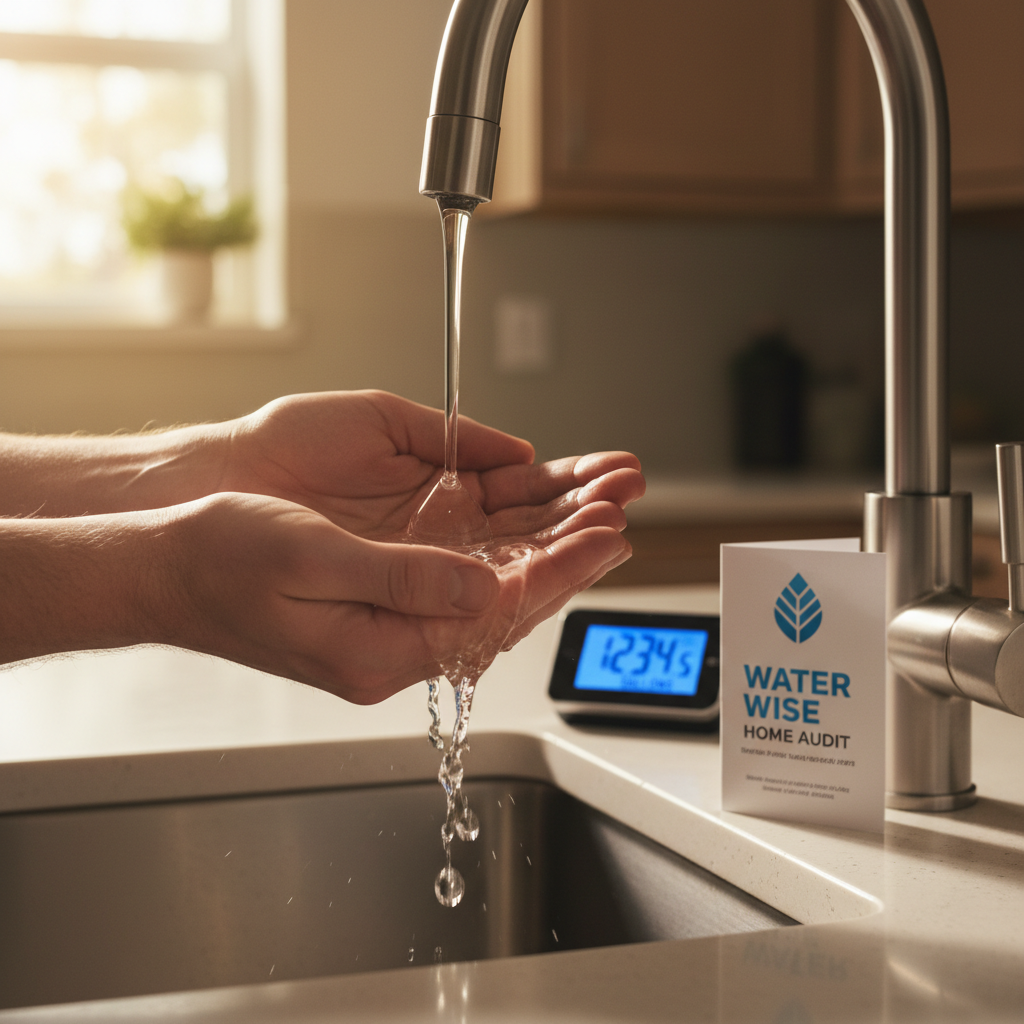
Water conservation is crucial in Florida due to its unique climate and water resources. Sustainable building practices now often include rainwater harvesting systems, low-flow fixtures, and xeriscaping. These methods significantly reduce water usage and contribute to conservation efforts.
Xeriscaping
Xeriscaping, a landscaping method that reduces or eliminates the need for irrigation, is gaining popularity. By using native plants and drought-resistant species, homeowners can create beautiful landscapes that require minimal water.
Conclusion
The trend towards sustainable building practices in Florida is not only beneficial for the environment but also aligns with economic and health benefits. By embracing these trends, builders and homeowners can create structures that are both environmentally responsible and economically viable. As awareness and technology continue to evolve, sustainable building will undoubtedly remain at the forefront of Florida's construction industry.