
The Impact of Miami’s Climate on Construction Materials and Methods


Miami’s Unique Climate Challenges
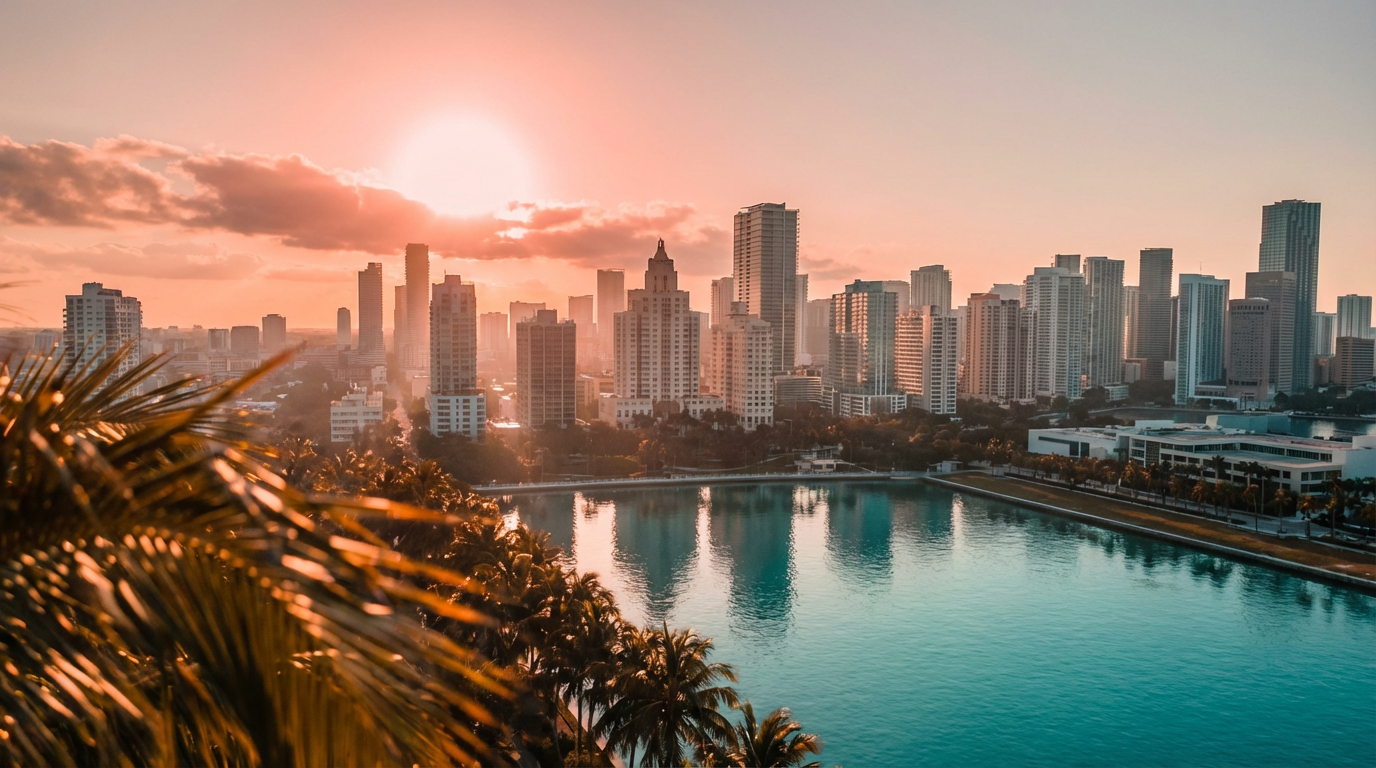
Miami's climate poses unique challenges to the construction industry. The combination of high humidity, intense heat, and frequent storms requires specific considerations when selecting building materials and methods. Understanding these challenges is essential for creating structures that are both durable and sustainable in this vibrant city.
One of the primary concerns is the impact of humidity on construction materials. High humidity levels can lead to moisture absorption, resulting in weakened structural integrity. This makes it crucial to choose materials that are resistant to moisture and capable of withstanding the damp conditions prevalent in Miami.
Choosing the Right Materials
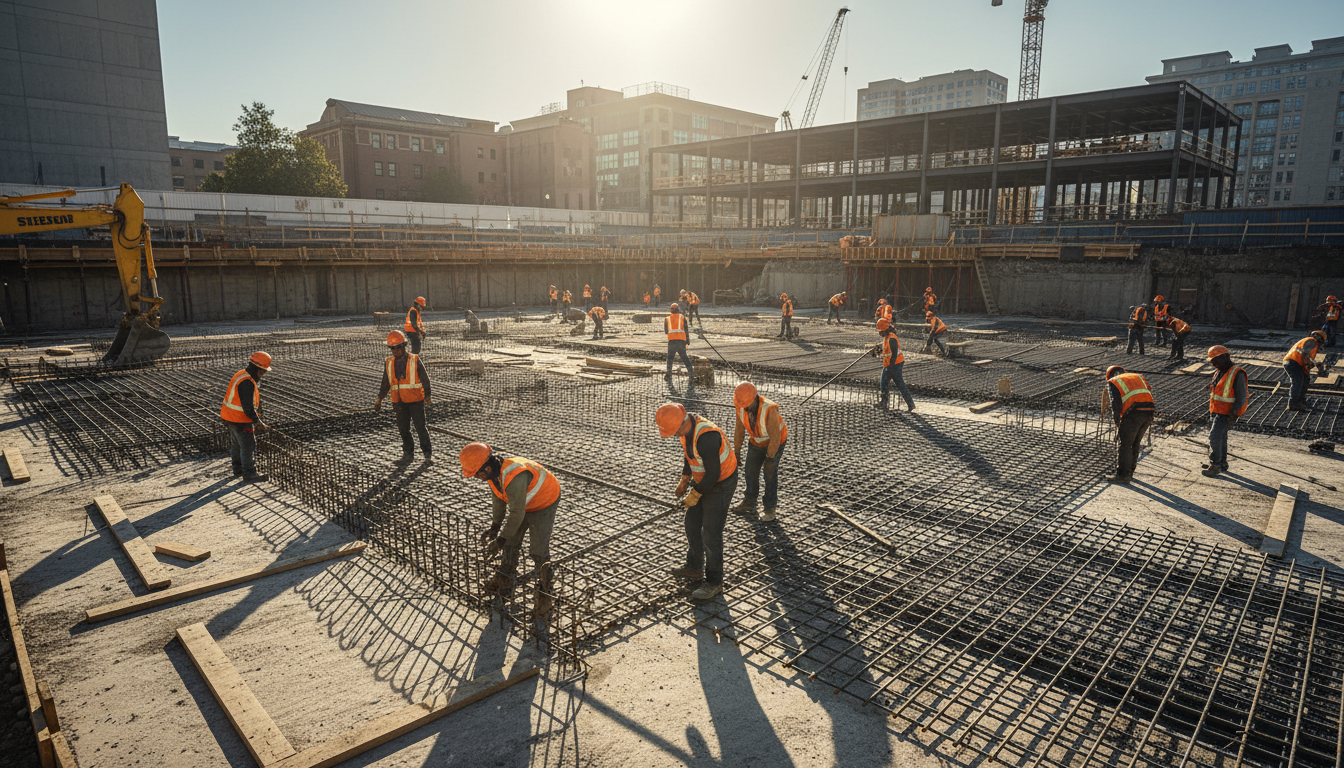
In Miami, selecting the right construction materials is vital. Materials like concrete, which are prone to cracking under extreme weather conditions, need to be carefully engineered to withstand the local climate. Using additives and sealants can enhance their durability and reduce susceptibility to moisture damage.
Metal components, often used in construction, also require special attention. Corrosion-resistant coatings are essential to protect against the salt-laden air typical of coastal areas. Choosing stainless steel or aluminum can further enhance resilience against rust and corrosion.
Innovative Construction Methods
Beyond materials, the methods used in construction play a key role in adapting to Miami’s climate. Innovative techniques such as elevated building designs help mitigate the risk of flooding, a common issue due to the city's low elevation and frequent storms.
Additionally, integrating green building practices is gaining popularity. These methods focus on sustainability, using materials and designs that reduce environmental impact and energy consumption. Green roofs, for instance, provide insulation and reduce heat absorption, making buildings more energy-efficient.
Weatherproofing and Insulation
Weatherproofing is another critical consideration. Proper insulation not only enhances comfort but also protects against the elements. Utilizing advanced insulation materials can help in maintaining indoor temperatures and preventing moisture ingress, which is crucial in Miami’s humid environment.
Sealing techniques, such as weather stripping and caulking, are employed to prevent air and water leaks. These methods are particularly important in areas prone to heavy rainfall and strong winds, ensuring that the buildings remain safe and secure.
Conclusion: Building for the Future
Adapting to Miami's climate requires a comprehensive approach, combining the right materials, innovative methods, and sustainable practices. By understanding and addressing the unique challenges presented by the environment, construction in Miami can be both resilient and forward-thinking.
As climate change continues to influence weather patterns, the construction industry must remain agile and proactive. Embracing new technologies and methodologies will be key to ensuring that Miami’s architecture stands the test of time, meeting the demands of both today and tomorrow.