
Sustainable Construction Practices for Miami's Unique Climate


Understanding Miami's Climate Challenges
Miami's unique climate presents both opportunities and challenges for construction. With its tropical monsoon climate, the city experiences hot, humid summers and mild winters. This environment necessitates innovative approaches to building that can withstand high humidity, frequent rain, and the risk of hurricanes.
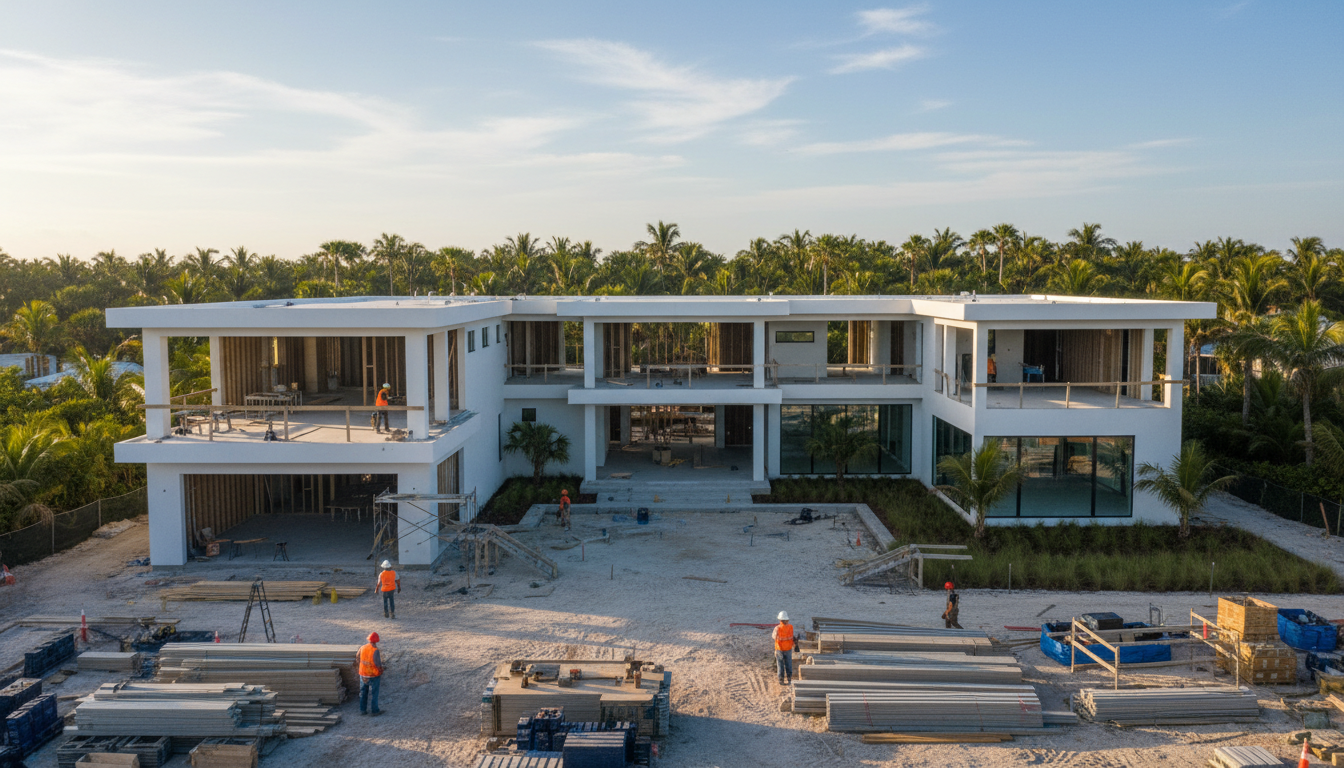
Traditional construction methods may not be sufficient to address these challenges effectively. Sustainable construction practices are essential to ensure that buildings are resilient, energy-efficient, and environmentally friendly.
Energy Efficiency and Insulation
Energy efficiency is a critical component of sustainable construction in Miami. Proper insulation can significantly reduce the need for air conditioning, which is a major energy consumer in the region. Utilizing materials such as spray foam insulation can help maintain a consistent indoor temperature.
Additionally, implementing energy-efficient windows and doors can prevent heat from entering the building, further reducing energy consumption. These measures not only lower utility bills but also decrease the overall carbon footprint of the structure.

Water Conservation Strategies
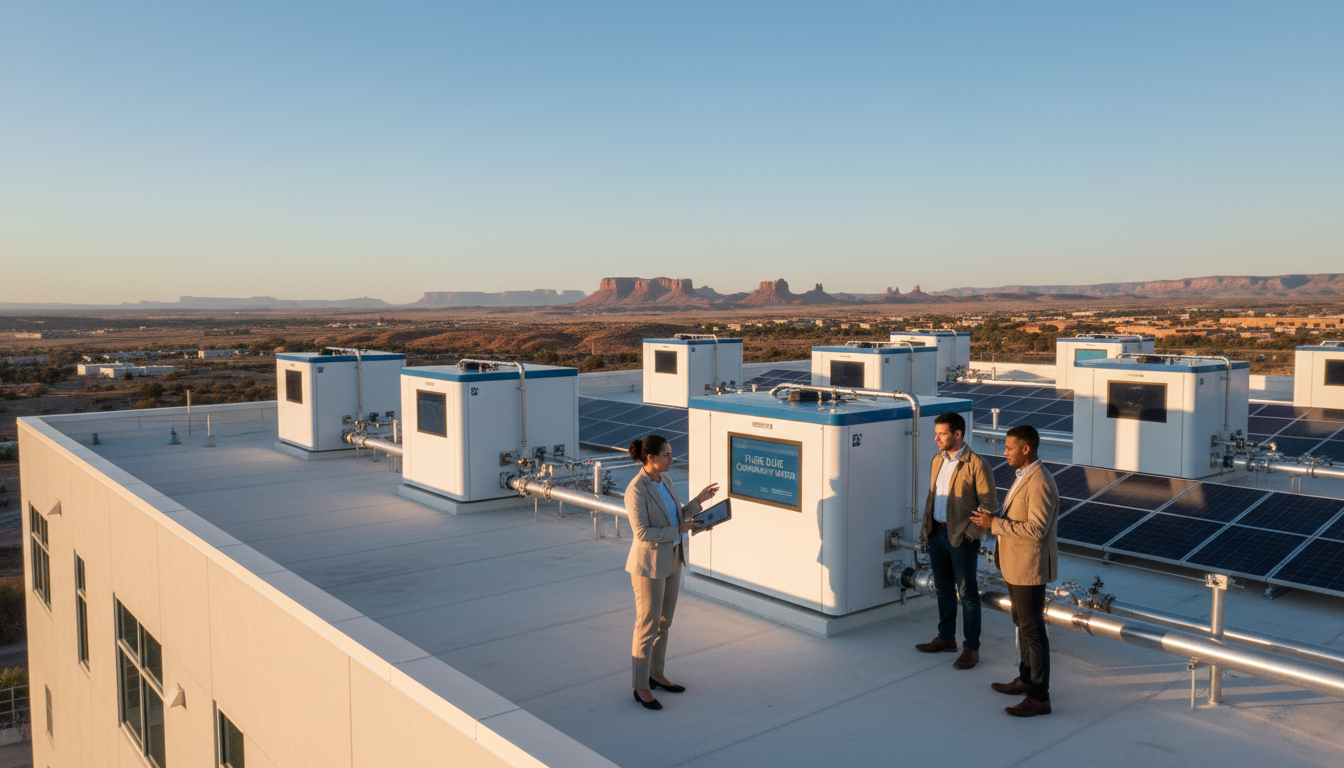
Water conservation is another vital aspect of sustainable construction in Miami. Given the city's high rainfall, managing water efficiently can prevent waste and reduce the impact on local water resources. Implementing rainwater harvesting systems can capture and reuse rainwater for non-potable uses such as irrigation and flushing toilets.
Low-flow fixtures and smart irrigation systems can also contribute to significant water savings. These innovations ensure that water is used judiciously, aligning with sustainable practices and supporting Miami's environmental goals.
Resilient Building Materials
Choosing the right building materials is crucial in a climate prone to extreme weather events. Materials such as reinforced concrete, hurricane-resistant glass, and impact-resistant roofing can provide enhanced durability and safety. These materials are designed to withstand harsh weather conditions, offering long-term resilience.
Furthermore, using locally sourced materials can reduce transportation emissions and support the local economy. This approach aligns with sustainable principles by minimizing the environmental impact of construction activities.
Innovative Design and Architecture
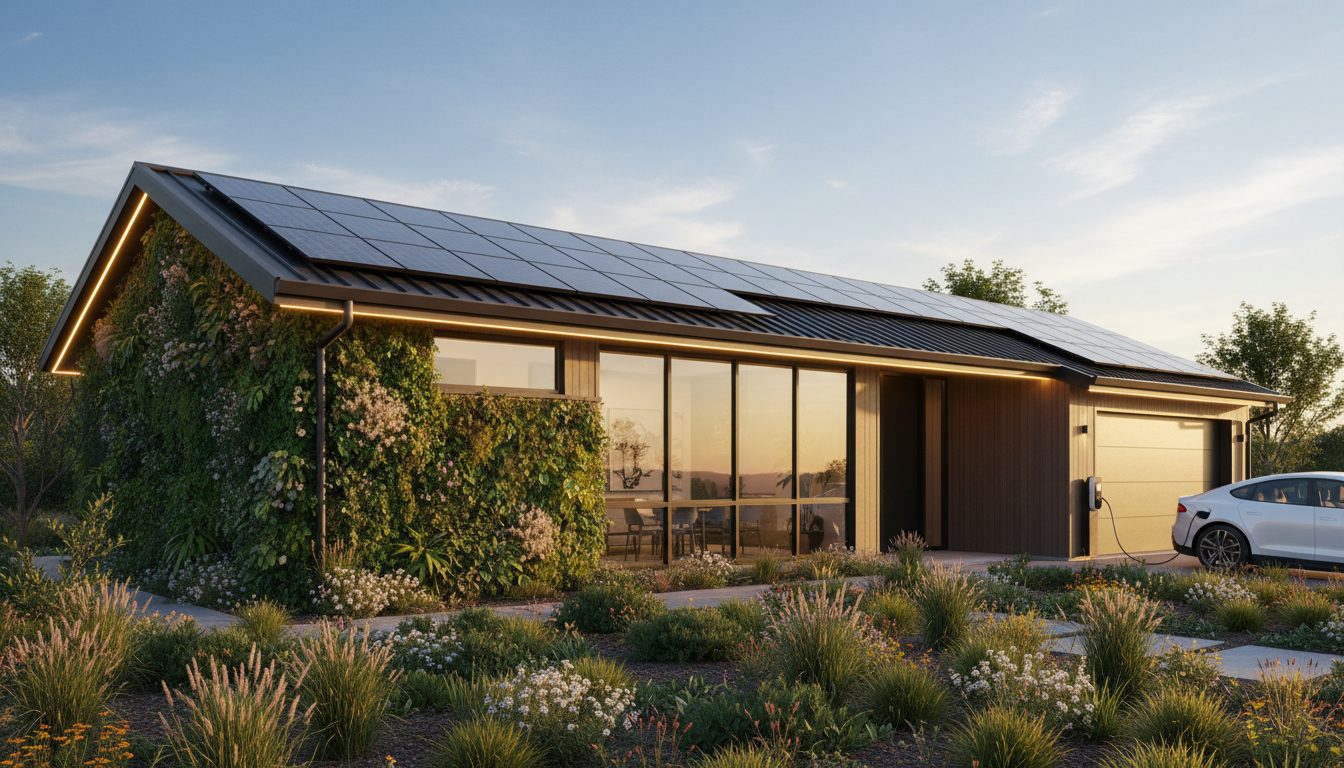
Architectural design plays a significant role in sustainable construction. Incorporating features like green roofs, solar panels, and natural ventilation systems can enhance a building's sustainability. Green roofs, for example, provide insulation, reduce stormwater runoff, and create habitats for local wildlife.
- Solar panels harness the abundant sunshine, reducing dependency on non-renewable energy sources.
- Natural ventilation systems can minimize the need for mechanical cooling, leveraging Miami's breezes for temperature regulation.
These design elements not only contribute to environmental sustainability but also improve the quality of life for occupants by promoting a healthier indoor environment.
Conclusion: Building a Sustainable Future
Adopting sustainable construction practices in Miami is not just about meeting current needs but also about preparing for the future. As climate change continues to impact weather patterns, buildings must be designed to adapt to these changes.
By focusing on energy efficiency, water conservation, resilient materials, and innovative design, Miami can lead the way in sustainable urban development. These practices ensure that the city remains vibrant, livable, and environmentally responsible for generations to come.